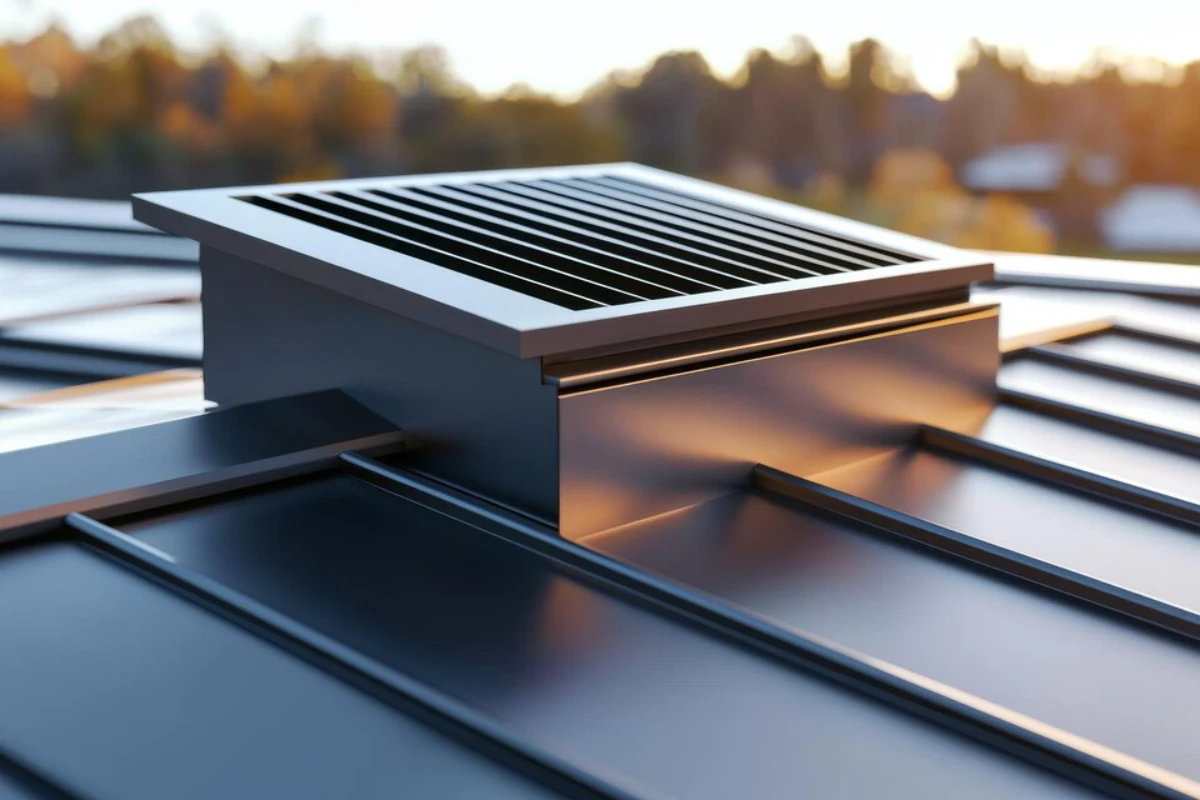
Scuppers: how they work and their tradeoffs
Scuppers are a straightforward drainage method common on roofs with parapet walls, and for a Williamsburg in the Woods owner, understanding how they work and their pros and cons provides the other side of the comparison. They drain the roof at its perimeter.
How scuppers work
Scuppers are openings in the roof's perimeter, in the parapet wall or at the edge, that let water drain off the side of the roof as it flows to the edge, often into downspouts or away from the building. The roof's slope directs water to the scuppers. For a roof, scuppers rely on the roof being sloped toward the perimeter, where the water exits through the openings, draining the roof at its edge, which suits roofs with parapet walls and a design that directs water outward to the perimeter.
The advantages of scuppers
Scuppers offer advantages, including simplicity, with no interior plumbing, easier inspection and clearing since they are at the accessible perimeter, and that a problem drains water harmlessly off the edge rather than inside the building. Their simplicity is a real strength. For a Hendricks County roof, scuppers' straightforward design, accessibility for maintenance, and the fact that they drain water away from the building rather than through it are meaningful advantages, particularly on roofs where their edge draining approach fits the design.
The drawbacks of scuppers
Scuppers have drawbacks, including the potential to clog with debris that backs water up, less effective drainage of very large roof areas compared to multiple internal drains, and that they require the roof to be sloped properly toward the perimeter to work. The edge approach has its limits. For a Williamsburg in the Woods roof, these drawbacks, clogging potential, limited capacity for large areas, and the need for proper slope toward the edge, are the tradeoffs of scuppers, which is why their design and maintenance matter for reliable drainage.
When scuppers suit a building
Scuppers suit roofs with parapet walls, roofs where the design directs water to the perimeter, situations valuing simplicity and easy maintenance, and where draining water off the edge rather than through the building is preferred. The method fits these situations. For a roof, scuppers are often the right choice on roofs with parapets and a perimeter draining design, where their simplicity and accessibility align with the building, and the roof's slope can effectively move water to the edge openings.
Scuppers in summary
Scuppers drain the roof at the perimeter, offering simplicity, accessibility, and edge draining safety at the cost of clogging potential and limited large area capacity, suiting roofs with parapets and a perimeter design. For a Hendricks County owner, this profile shows where scuppers fit, on parapet roofs valuing simplicity, which the comparison with internal drains helps clarify against the alternative.
Get scuppers installed or maintained right
Finally, drainage is an ongoing responsibility, not a one time installation, since even well designed drainage fails when debris clogs the drains or scuppers and water backs up. A owner who keeps the drainage clear through regular maintenance, and corrects any ponding promptly, protects the roof from the standing water that drainage neglect causes. That sustained attention to keeping water moving off the roof, more than the initial method choice, is what preserves a flat roof's life against the damage ponding does.
It also helps to match the method to the building rather than treating one as universally superior, because internal drains and scuppers each suit different roofs. A Hendricks County owner whose roof has parapet walls and modest size may be well served by simple, accessible scuppers, while one with a large roof in a cold climate may benefit from internal drains' capacity and freeze protection. The right method follows the building's size, design, and climate, and many roofs sensibly use both, which an assessment of the specific building clarifies.
The broader point about flat roof drainage is that the method matters less than whether the drainage actually keeps water moving off the roof, since both internal drains and scuppers fail the roof if they are undersized, poorly sloped to, or clogged. A Williamsburg in the Woods owner who focuses on the drainage functioning, proper slope, adequate capacity, and clear components, gets a roof that sheds water, whichever method it uses. The standing water that shortens flat roofs comes from drainage that does not work, not from choosing the wrong method, which is worth keeping in view.
Finally, drainage is an ongoing responsibility, not a one time installation, since even well designed drainage fails when debris clogs the drains or scuppers and water backs up. A owner who keeps the drainage clear through regular maintenance, and corrects any ponding promptly, protects the roof from the standing water that drainage neglect causes. That sustained attention to keeping water moving off the roof, more than the initial method choice, is what preserves a flat roof's life against the damage ponding does.
It also helps to match the method to the building rather than treating one as universally superior, because internal drains and scuppers each suit different roofs. A Hendricks County owner whose roof has parapet walls and modest size may be well served by simple, accessible scuppers, while one with a large roof in a cold climate may benefit from internal drains' capacity and freeze protection. The right method follows the building's size, design, and climate, and many roofs sensibly use both, which an assessment of the specific building clarifies.
The broader point about flat roof drainage is that the method matters less than whether the drainage actually keeps water moving off the roof, since both internal drains and scuppers fail the roof if they are undersized, poorly sloped to, or clogged. A Williamsburg in the Woods owner who focuses on the drainage functioning, proper slope, adequate capacity, and clear components, gets a roof that sheds water, whichever method it uses. The standing water that shortens flat roofs comes from drainage that does not work, not from choosing the wrong method, which is worth keeping in view.
Finally, drainage is an ongoing responsibility, not a one time installation, since even well designed drainage fails when debris clogs the drains or scuppers and water backs up. A owner who keeps the drainage clear through regular maintenance, and corrects any ponding promptly, protects the roof from the standing water that drainage neglect causes. That sustained attention to keeping water moving off the roof, more than the initial method choice, is what preserves a flat roof's life against the damage ponding does.
Williamsburg in the Woods Metal Roofing installs and maintains scuppers on Williamsburg in the Woods flat roofs, ensuring they drain water off the roof reliably. Call {phone} to get your perimeter drainage handled right. Proper drainage is what separates a long lasting roof from an expensive guess.